Best Time to Visit Northern Pakistan: A Season-by-Season Breakdown
One of the most common planning mistakes is assuming that summer is automatically the best time to visit. Northern Pakistan surprises many travelers with its seasonal richness. Each season offers a completely different experience, and the right time to visit depends entirely on what you are after.
Spring (March – May): Blossoms and New Beginnings
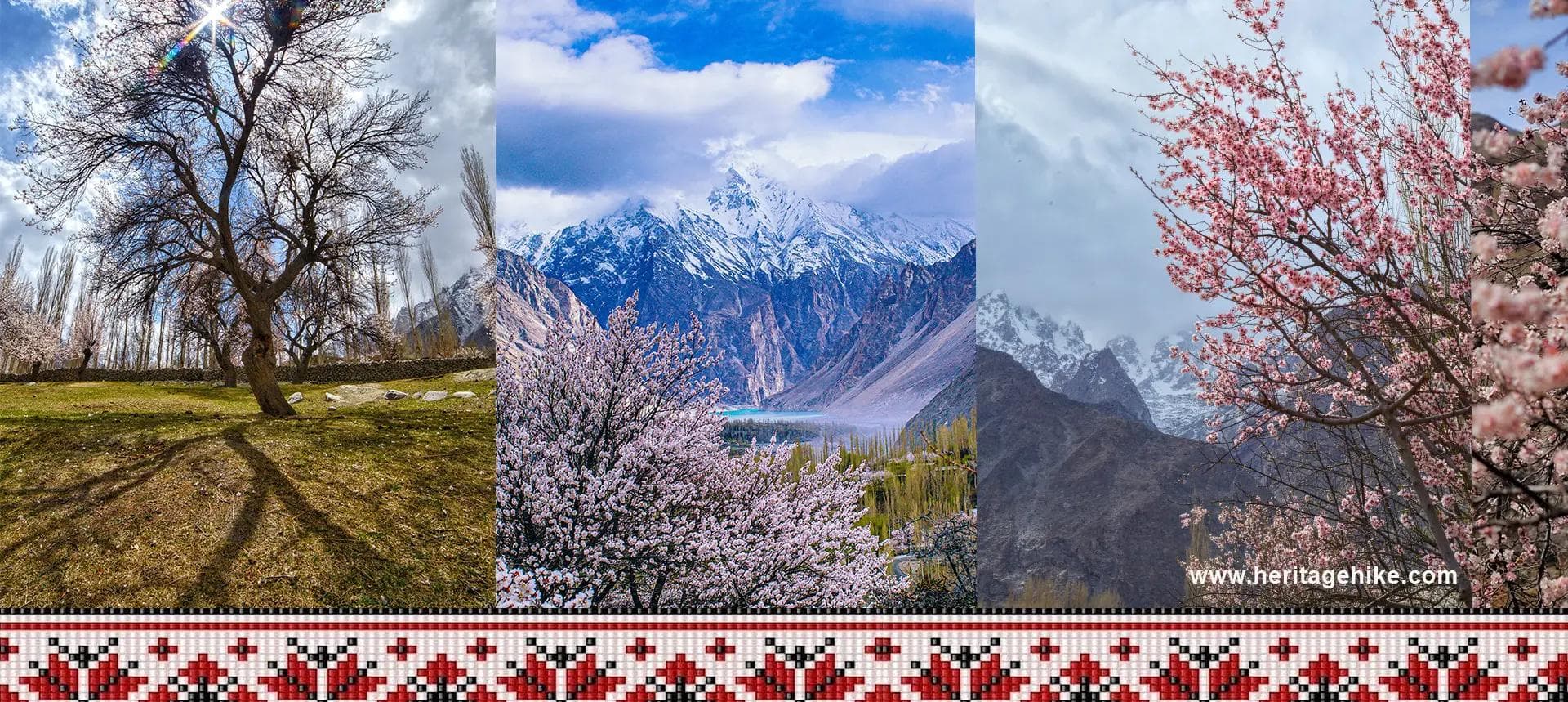
Spring is increasingly considered the most beautiful season in Hunza Valley. From mid-March through April, apricot trees explode into pink and white bloom against the backdrop of snow-capped peaks—a combination that photographers travel from across the world to capture. The valleys are cool and fresh, dust has not yet set in, and rivers run clear with snowmelt.
Best for: Photography, cultural travel, families, first-time visitors.
Temperatures: 5°C to 18°C in valleys. Snow still present at higher altitudes.
Crowd level: Growing but not overwhelming. Book accommodation early for April.
Watch out for: Some high mountain passes may still be closed until May. Check pass conditions before planning routes that include Khunjerab.
Summer (June – August): Trekking Season at Its Peak
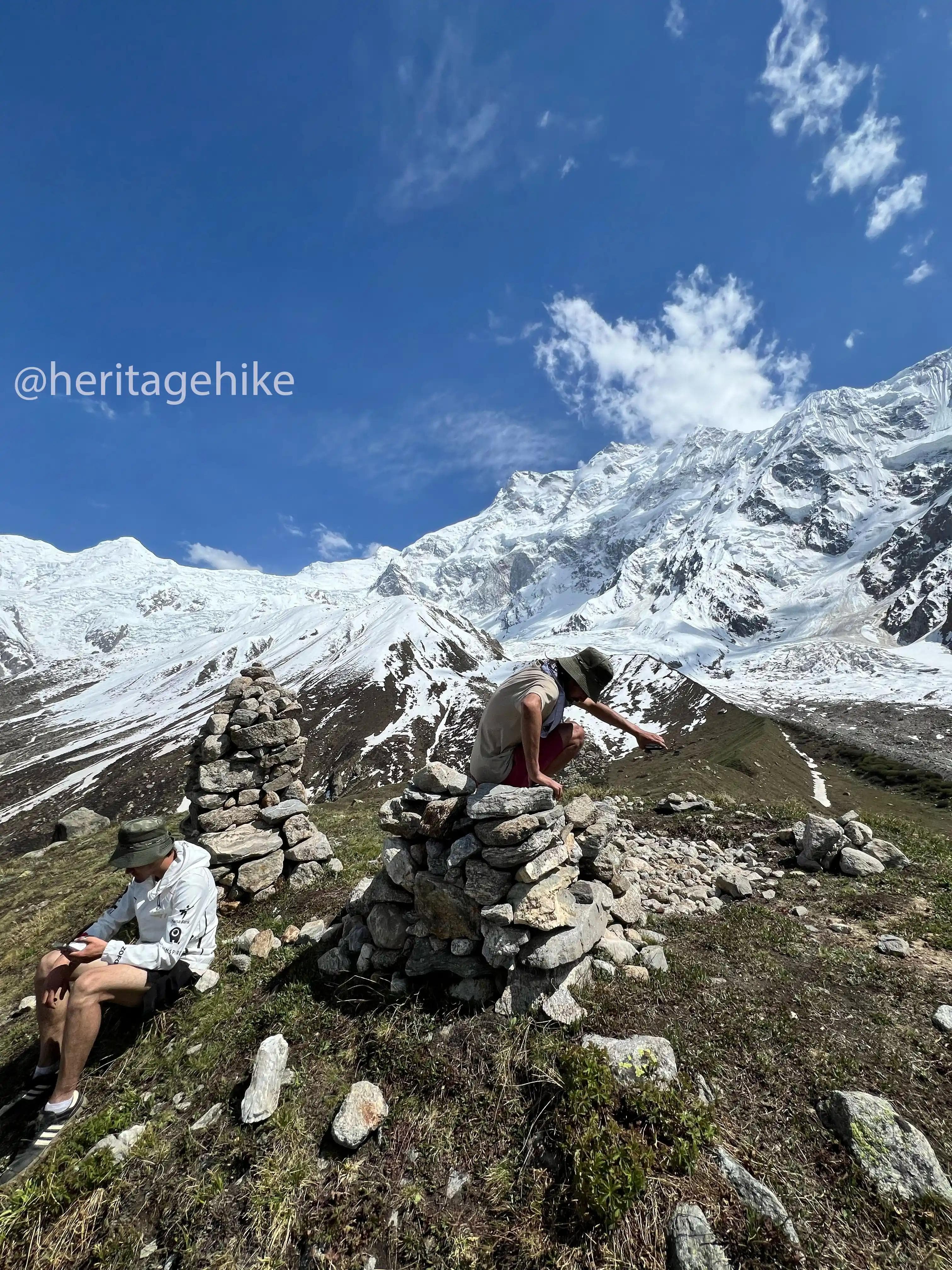
Summer is peak trekking season. Passes open, trails dry out, and the long daylight hours make multi-day treks practical. This is the window for serious adventures: Fairy Meadows, Rakaposhi Base Camp, Gondogoro La, and approaches toward K2 Base Camp are all best attempted in summer.
It is also the busiest and most expensive season. Domestic tourism peaks significantly in July and August, with Pakistani families from the major cities heading north to escape the heat.
Best for: Trekking, mountaineering, adventure travel.
Temperatures: 15°C to 30°C in valleys. Pleasant. Higher elevations remain cool.
Crowd level: High. Book well in advance.
Watch out for: Monsoon edges into the southern ranges in July–August, occasionally causing road disruptions. The core Karakoram is in a rain shadow and generally stays drier.
Autumn (September – November): The Hidden Gem Season
Autumn is Northern Pakistan’s best-kept secret. From late September through October, the valleys transform into a canvas of gold, amber, and deep red as poplar trees change colour. The crowds of summer have thinned, prices drop, skies are crystal clear, and temperatures are comfortable for walking and sightseeing.
Many experienced travelers who have visited in multiple seasons name autumn as their favourite. The light in October is extraordinary for photography, and the harvest season means fresh local produce—apricots (dried), walnuts, and mulberries—is abundant.
Best for: Photography, scenic travel, culture, repeat visitors.
Temperatures: 5°C to 22°C in valleys. Nights get cold from October onward.
Crowd level: Low to moderate. Excellent value.
Watch out for: Some guesthouses in very remote areas start closing by early November. Higher passes begin closing by late October.
Winter (December – February): For the Adventurous Few
Winter transforms Northern Pakistan into a quiet, snow-covered world. Most international tourists avoid this season, but for those who seek solitude, dramatic landscapes, and a more authentic local experience, it holds its own appeal. Festivals and local cultural events continue through the cold months.
Most major roads remain open to Gilgit and Hunza. Skardu becomes harder to reach as some routes close.
Best for: Solitude seekers, cultural immersion, budget travelers.
Temperatures: -10°C to 8°C. Very cold at night, especially in Skardu.
Crowd level: Very low.
Watch out for: Cold temperatures require proper gear. Some guesthouses and restaurants close entirely.
Quick Reference: By Goal
- Cherry blossoms: March–April (Hunza)
- Best trekking weather: June–August
- Golden foliage: October (Hunza, Gilgit)
- Fewest crowds: November and February–March
- Best overall balance: May and September