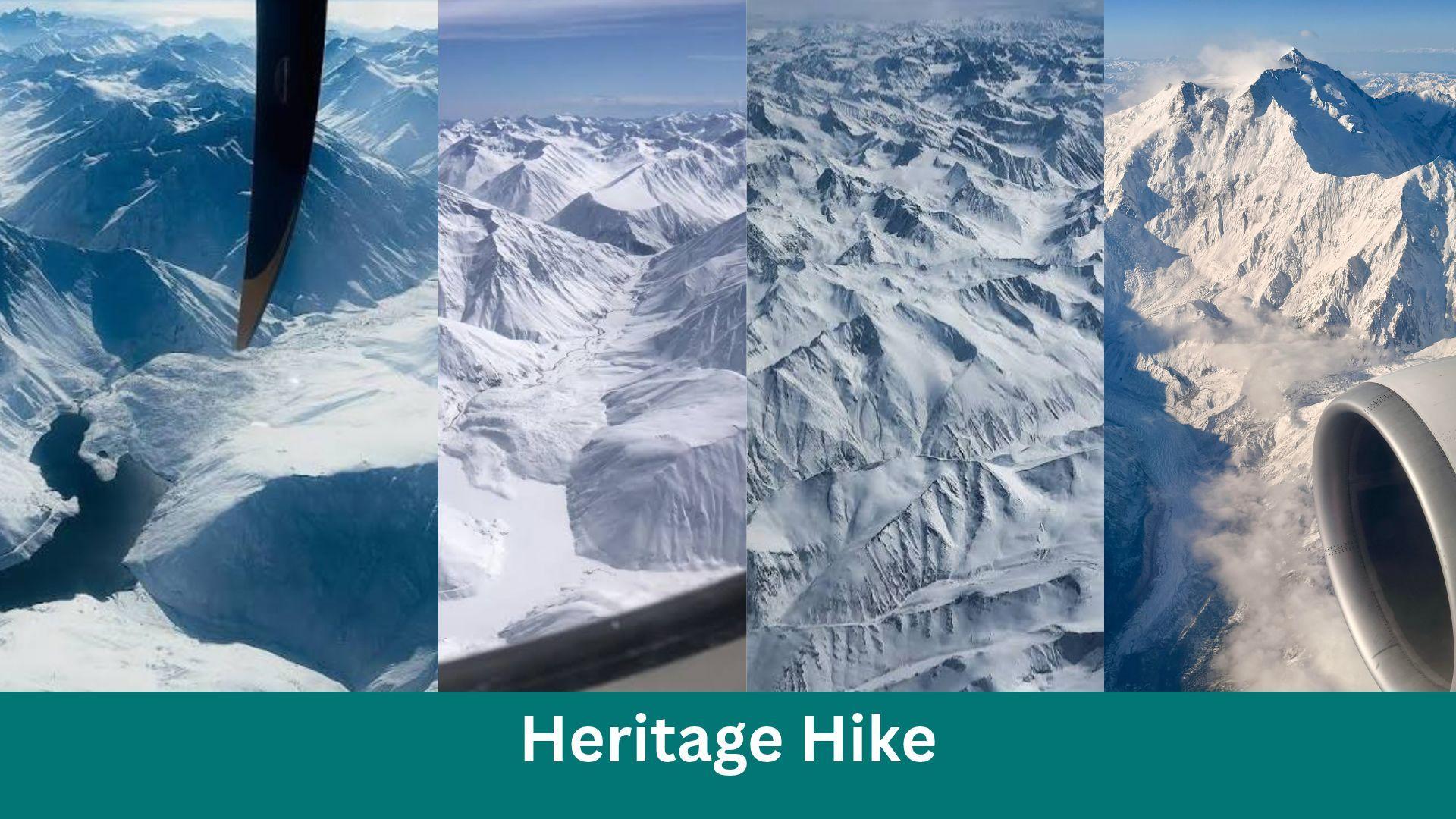
Flying is the fastest way into Pakistan's mountains. A journey that takes 10 hours or more by road becomes a flight of about an hour, and on a clear morning that flight is one of the most spectacular in the world. But mountain flying has its own rules. Not every airline flies to every airport, schedules change with the seasons and the weather has the final say.
This guide covers how international visitors reach Islamabad, which airlines fly on to Gilgit and Skardu, how long each flight takes, where to sit for the best views and how to plan around delays.
Step One: Fly into Islamabad
For almost every trip to the north, Islamabad International Airport (ISB) is your gateway. It is served by PIA and by major international carriers, with the most common connections running through Gulf and Turkish hubs. All scheduled flights to Gilgit and Skardu operate from the domestic side of the same airport, so you can connect without changing airports.
Our advice: don't book a mountain flight on the same day you land internationally. Arrive in Islamabad, rest for a night, and take an early-morning flight north the next day. If your international flight is late or your mountain flight is cancelled, you won't lose a whole chain of bookings.
Flights to Gilgit: PIA Only
Gilgit Airport (GIL) is the gateway to Hunza, Nagar, Naltar and the Karakoram Highway. Today, Pakistan International Airlines (PIA) is the only airline running scheduled flights here, using small ATR turboprop aircraft. These are typically the 48-seat ATR 42, with the larger ATR 72 used at times. Flights run from Islamabad; passengers from Lahore or Karachi usually connect through Islamabad.
The flight takes about an hour. Because the aircraft are small and departures are few, seats sell out quickly in summer, so book as early as you can.
Gilgit is also the most weather-sensitive route in Pakistan. The airport sits in a narrow valley with a short runway, and pilots need clear visibility to land. If conditions change en route, the aircraft simply returns to Islamabad. Cancellations are common in winter, during spring storms and in the monsoon, so always have a backup plan.
More options may come. The private airline South Air has announced plans to fly to Gilgit, Skardu and Chitral, and in November 2026 the Gilgit-Baltistan government announced plans to lease aircraft for flights run by South Air. Until those flights actually begin, PIA remains the only scheduled option.
Flights to Skardu: Three Airlines and More Choice
Skardu Airport (KDU), gateway to Baltistan, Deosai, Shigar, Khaplu and the K2 trek, has a much longer runway and handles Airbus A320 jets. That means bigger aircraft, more seats and somewhat better reliability than Gilgit, though weather still causes delays. Three airlines currently fly direct to Skardu:
- PIA: the longest-serving airline on the route, flying from Islamabad, with seasonal flights from Lahore and Karachi.
- Airblue: flies from Islamabad, Lahore and Karachi. It launched its direct Karachi–Skardu service in May 2025.
- AirSial: the newest option, flying Islamabad–Skardu since its inaugural flight on 18 May 2026.
Lahore and Karachi flights are mainly a summer service and are often cut back in winter, when Islamabad is usually the dependable year-round departure point. PIA has also run seasonal direct flights between Dubai and Skardu, relaunched in May 2025 and taking about three hours. Check whether they are operating for your travel dates.
How Long Are the Flights?
- Islamabad to Gilgit: about 1 hour (PIA ATR).
- Islamabad to Skardu: about 1 hour to 1 hour 10 minutes.
- Lahore to Skardu: about 1 hour 20 to 1 hour 30 minutes.
- Karachi to Skardu: about 2 hours 15 to 2 hours 30 minutes.
Most departures to the mountains leave in the early morning, when the air is calmest and visibility is usually best.
The Views: Where to Sit
On a clear day, these flights are a sightseeing tour of some of the highest mountains on Earth. The star is Nanga Parbat, at 8,126 m the ninth-highest mountain in the world, which rises so close to the flight path that it can feel within reach.
Islamabad to Skardu: sit on the right-hand side (F seats) for Nanga Parbat. From the left-hand side (A seats) you may see Rakaposhi in the distance and, on a lucky day, K2 and Broad Peak appear just before the descent into Skardu. K2 is often hidden by cloud and visible only briefly, so the right side gives most people the longest mountain views. On the return flight, simply swap sides.
Islamabad to Gilgit: the ATR flies lower than a jet, over the hills of Kaghan and the Babusar area, with Nanga Parbat on the right as you head north. Again, choose the left side for the flight back to Islamabad.
Check in early and politely ask for a right-hand window seat. Flight paths vary with the weather and air traffic control, so the views are never guaranteed, but on a clear morning they are unforgettable.
Planning Around Cancellations
Weather cancellations are a normal part of flying in northern Pakistan, especially to Gilgit. A few habits make them far less stressful:
- Build at least one spare day into your itinerary, particularly before an international flight home.
- Book summer flights well in advance. Peak season runs roughly from May to August, and August is the busiest month.
- Confirm your flight status with the airline the evening before and the morning of departure.
- Keep a road option ready. If flights are grounded, a vehicle with an experienced driver can still get you there.
The Road Alternative
If you can't fly, or simply want to see the scenery from the ground, the drive is an adventure in itself. Islamabad to Gilgit takes roughly 10 to 12 hours under normal conditions via the Karakoram Highway. In summer, the route over Babusar Top via Naran is often quicker and more scenic, but it closes with the snow. From Gilgit, the road to Skardu follows the Indus gorge and takes several more hours. Landslides and roadworks can add time, so plan an overnight stop and check road conditions before you set off.
Many travellers combine both: fly one way for the views and drive the other for the journey.
Let Us Handle the Logistics
Heritage Hike can book domestic flights, meet you at Gilgit or Skardu airport and keep a vehicle and driver on standby if the weather changes your plans, so a cancelled flight never ruins your trip. Airline schedules change by season, so always confirm current routes and timings with the airline before booking.