Most travellers come to Pakistan for its mountains, and fairly so. But the country also holds some of the oldest and most remarkable monuments in Asia. Six of them are on UNESCO's World Heritage List, spanning more than four thousand years of history, from one of the world's first planned cities to the palaces of the Mughal emperors. Another 26 sites wait on UNESCO's Tentative List.
Here is what each site is, why it matters and how to fit it into a trip.
1. Mohenjo-daro, Sindh (inscribed 1980)
Built around 2500 BCE on the banks of the Indus, Mohenjo-daro was one of the largest cities of the Indus Valley Civilisation and among the earliest major cities anywhere. What astonishes visitors is the planning: streets laid out in a grid, houses built of standard-sized bricks, private bathrooms connected to covered drains. The famous Great Bath, a waterproofed brick pool on the citadel mound, is still clearly visible.
The site is about 28 km from Larkana. Upper Sindh gets extremely hot, so plan your visit between November and February and arrive early in the morning.
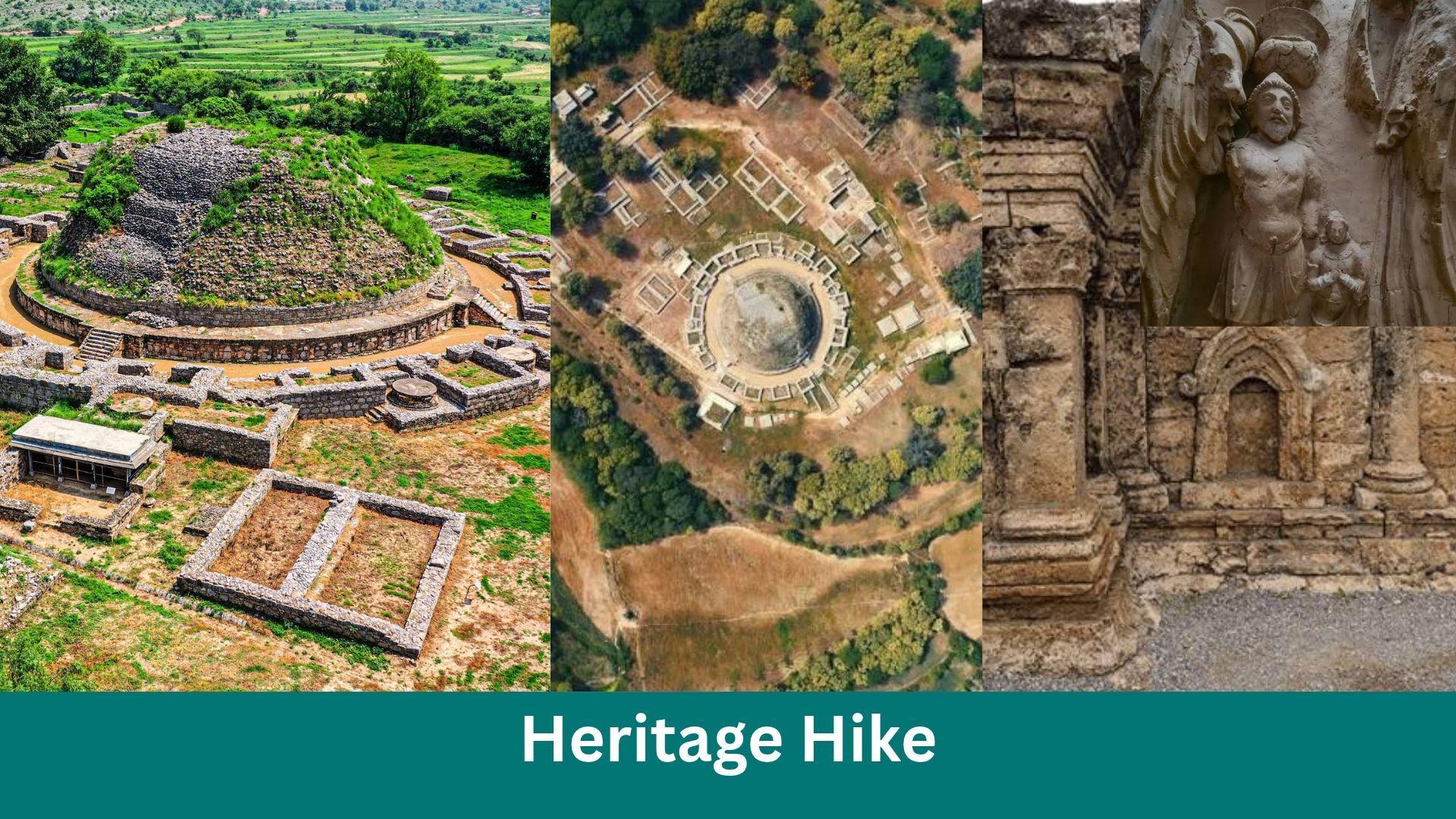
2. Taxila, Punjab (inscribed 1980)
Just an hour from Islamabad, Taxila was for centuries a crossroads of Persian, Greek, Mauryan and Kushan cultures. The valley holds three successive city sites, Bhir Mound, Sirkap and Sirsukh, along with Buddhist monasteries such as Dharmarajika and the hilltop Jaulian. The Taxila Museum, founded by archaeologist Sir John Marshall, has one of the world's finest collections of Gandhara sculpture.
Start with the museum, then visit the ruins. It is the easiest UNESCO site to add to any northern trip, as most journeys begin in Islamabad anyway.
3. Takht-i-Bahi and Sahr-i-Bahlol, Khyber Pakhtunkhwa (inscribed 1980)
Perched on a rocky ridge near Mardan, the Buddhist monastery of Takht-i-Bahi was founded in the 1st century CE and stayed in use until around the 7th century. Its high position protected it from much of the destruction suffered elsewhere, and UNESCO calls it exceptionally well preserved. You can walk through its court of votive stupas, monks' cells and assembly hall. The nearby fortified town of Sahr-i-Bahlol is part of the same listing.
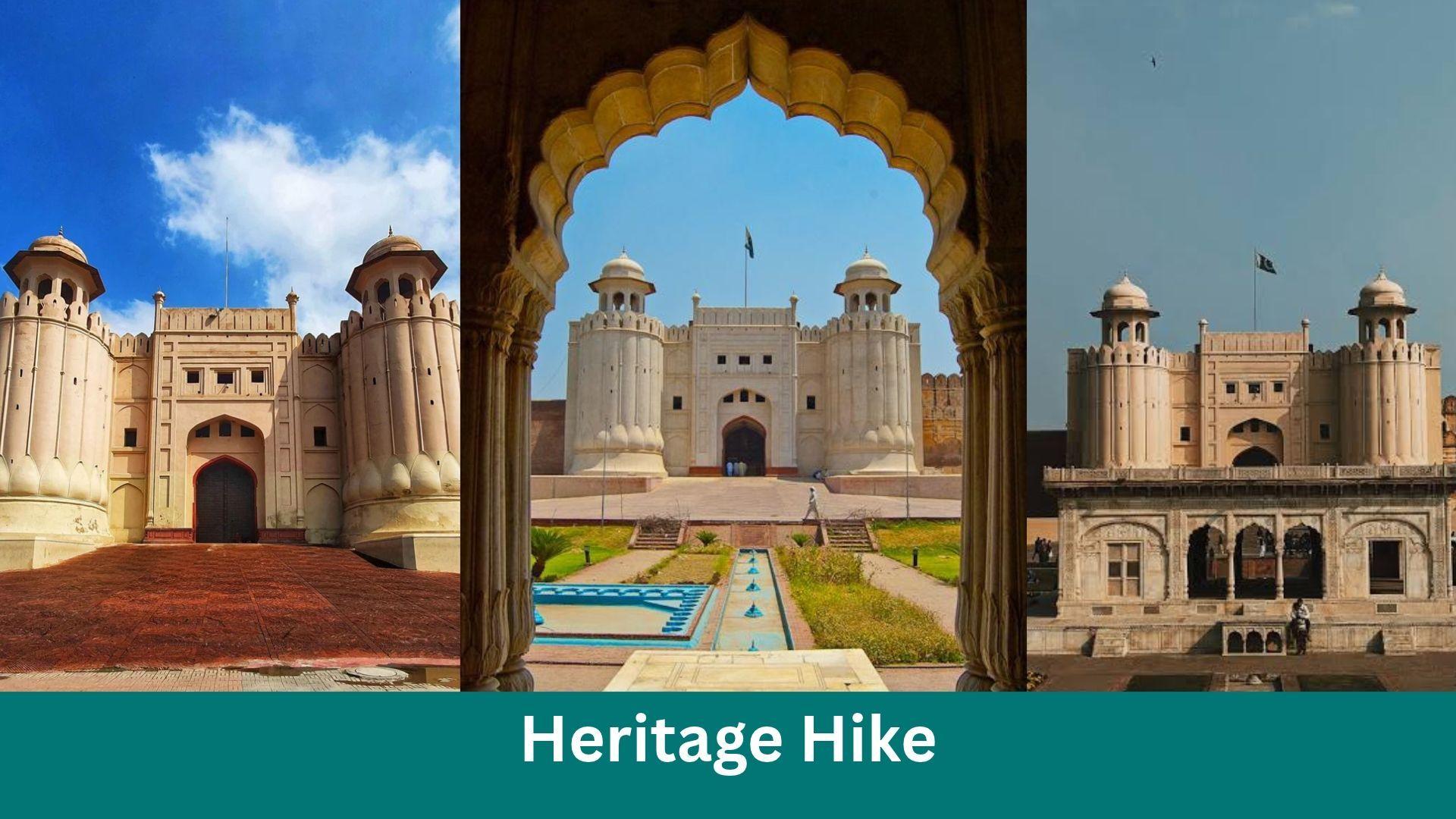
4. Lahore Fort and Shalimar Gardens, Punjab (inscribed 1981)
Two Mughal masterpieces share one listing. Lahore Fort, rebuilt under Emperor Akbar and expanded by his successors, holds the glittering Sheesh Mahal (Palace of Mirrors), the Naulakha Pavilion and the long tiled Picture Wall. A few kilometres away, Shalimar Gardens, completed for Shah Jahan in 1642, steps down in three terraces of canals, fountains and pavilions, a showcase of Mughal garden design at its height.
Both are easy to visit in a single day in Lahore, ideally with Badshahi Mosque and the Walled City.
5. Historical Monuments at Makli, Thatta, Sindh (inscribed 1981)
Spread across about 10 square kilometres near Thatta, Makli Necropolis is one of the largest funerary sites in the world, with at least half a million graves built between the 14th and 18th centuries. Its royal tombs, from the Samma, Arghun, Tarkhan and Mughal periods, blend Islamic, Hindu, Persian and Gujarati styles in carved sandstone and blue glazed tile. Makli is about two hours from Karachi and pairs perfectly with Thatta's 93-domed Shah Jahan Mosque.
6. Rohtas Fort, Punjab (inscribed 1997)
Begun in 1541 by the Afghan ruler Sher Shah Suri after he defeated the Mughal emperor Humayun, Rohtas Fort near Jhelum is a giant of military architecture: about 4 km of stone walls, 68 bastions and a series of monumental gateways. It was never taken by force, and a village still lives inside its walls. It is roughly two hours from Islamabad, so it makes an easy day trip.
How to See Them All
The six sites fall into three easy clusters. In the north, Taxila, Takht-i-Bahi and Rohtas can all be reached from Islamabad. Lahore Fort and Shalimar Gardens fill a day in Lahore. In the south, Makli is a day trip from Karachi, and Mohenjo-daro is reached via Larkana or Sukkur. With a car and driver, a heritage-focused tour covering all six fits comfortably into 10 to 12 days.
The best season for this route is October to March, when the plains of Punjab and Sindh are cool and dry, which is the opposite of the summer season in the mountains. That makes heritage tours a great way to visit Pakistan in winter, when the high valleys are snowbound.
Practical Tips
Ticket prices differ for Pakistani and foreign visitors and change from time to time, so check at each gate. Hire licensed guides on site; they bring these places to life. Dress modestly, especially at mosques and shrines near the monuments, and carry water and sun protection, as most archaeological sites have little shade.
Want to see Pakistan's heritage without the logistics? Heritage Hike can plan a custom route with a vehicle and driver, guides and accommodation across Punjab, Sindh and Khyber Pakhtunkhwa.