How to Stay Connected: Internet and SIM Cards in Northern Pakistan (2026)
Connectivity is one of the most frequently underestimated planning challenges for visitors to Gilgit-Baltistan. The situation is improving year by year, but the reality of remote mountain geography means that expectations need to be managed carefully. Here is everything you need to know about staying connected in the north.
The SCOM Reality
In most of Pakistan, the major national carriers (Jazz, Telenor, Ufone, Zong) dominate. In Gilgit-Baltistan, the landscape is fundamentally different. SCOM (Special Communications Organisation Mobile) is the dominant and often the only network across large parts of the region. This is not a commercial carrier but a state-run telecommunications service established to provide connectivity to Pakistan’s northern strategic territories.
If you arrive in Gilgit-Baltistan with a Jazz or Telenor SIM expecting to have signal, you will frequently be disappointed. SCOM is the card to have.
Getting a SCOM SIM Card
SCOM SIM cards are available at their offices in Gilgit city. As of 2026, registration requires your passport as a foreign national. The process is straightforward and typically takes under 30 minutes. SIM cards and data packages are reasonably priced.
Bring your passport. Without it, you cannot register and purchase the SIM.
Data packages available as of 2026 include daily, weekly, and monthly bundles. For a two-week trip, a monthly data package is the most economical option.
Coverage: Where It Works and Where It Doesn’t
Good coverage: Gilgit city, Karimabad town centre, Skardu city, and main KKH corridor towns.
Patchy or limited: Attabad Lake area (variable), Passu and Gulmit villages, parts of Shigar Valley, fairy meadows.
No coverage: Deosai National Park, most off-road trekking routes, remote side valleys.
This is simply the reality of providing cellular service across one of the world’s most extreme mountain terrains. Even SCOM cannot defy geography.
Wi-Fi in Guesthouses
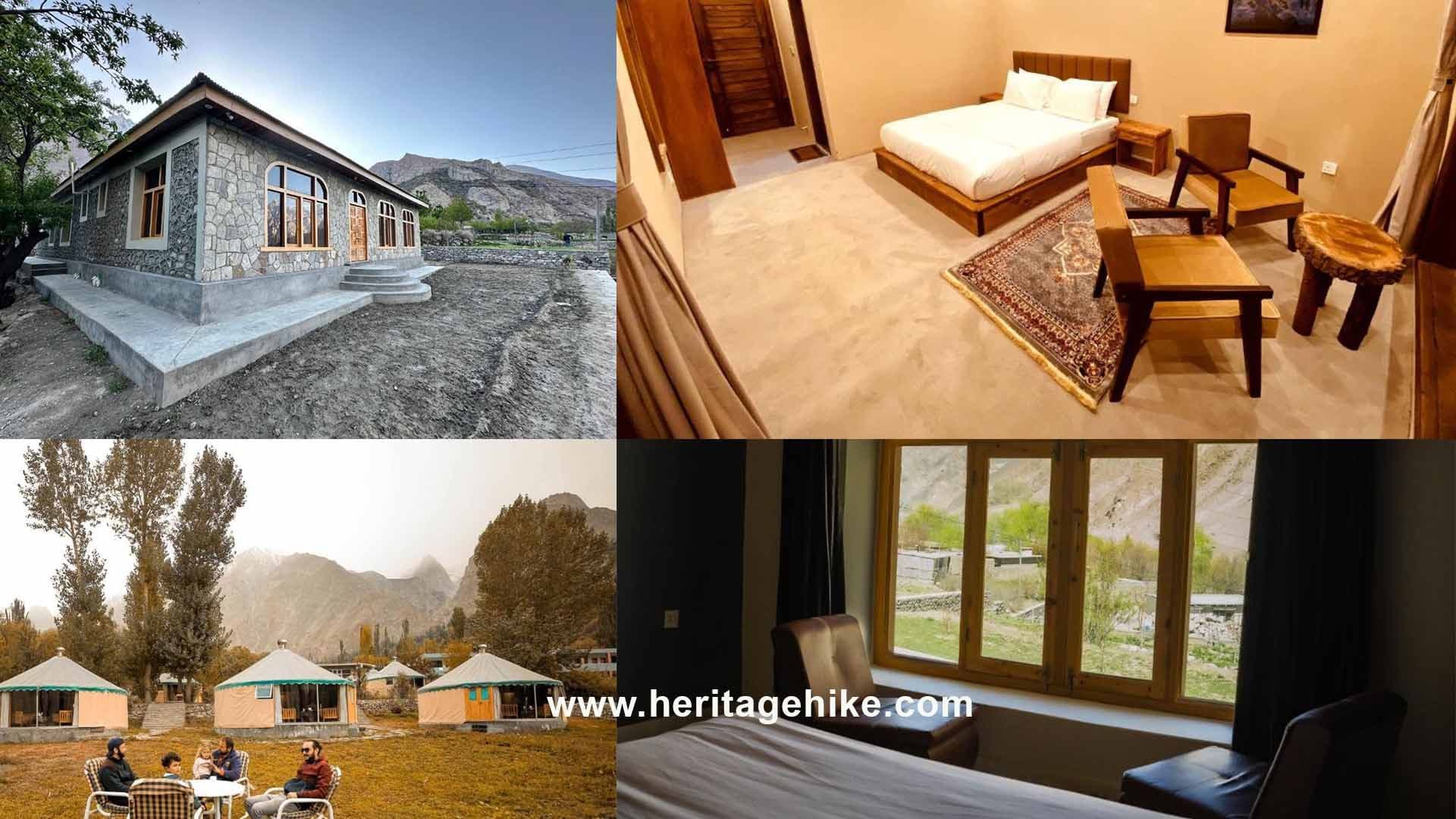
Most established guesthouses and hotels in Gilgit, Karimabad, and Skardu offer Wi-Fi. Quality varies enormously.
In Gilgit city and central Karimabad, Wi-Fi speeds are adequate for email, messaging apps, and basic browsing. Video calls (WhatsApp, FaceTime) are possible in good conditions but unreliable. Streaming in HD should not be expected outside of the largest hotels. In remote guesthouses, Wi-Fi is often shared satellite or SCOM connection and can be very slow.
Satellite Communication Options
For trekkers venturing into truly remote areas, a satellite communicator (Garmin inReach or similar) provides emergency SOS capability and basic messaging where no cellular signal exists. For expeditions to K2 Base Camp, Gondogoro La, or other serious trekking routes, this is worth serious consideration.
Managing Expectations
Many travelers find that the forced disconnection of remote mountain travel is one of its unexpected gifts. The villages of Hunza and the high plateaus of Deosai are not places that need to be live-streamed. They are places that reward full presence. Embrace the signal gaps — they are part of what makes the north feel genuinely remote.