Getting from Islamabad to Hunza is one of the most iconic journeys in travel — whether you fly over the Karakoram or drive the legendary Karakoram Highway. This guide covers every option with honest detail: costs, pros and cons, timings, and what to expect.
Option 1: Fly from Islamabad to Gilgit
The fastest way to reach Hunza is to fly from Islamabad’s Benazir Bhutto International Airport (ISB) to Gilgit Airport (GIL), then drive the remaining 100km north to Karimabad. The route is served primarily by Pakistan International Airlines (PIA), with Serene Air also operating this route seasonally. Flight time is approximately 45 to 55 minutes. Tickets range from approximately PKR 10,000 to 25,000 one way depending on season and booking window.
The Critical Caveat: Weather Cancellations
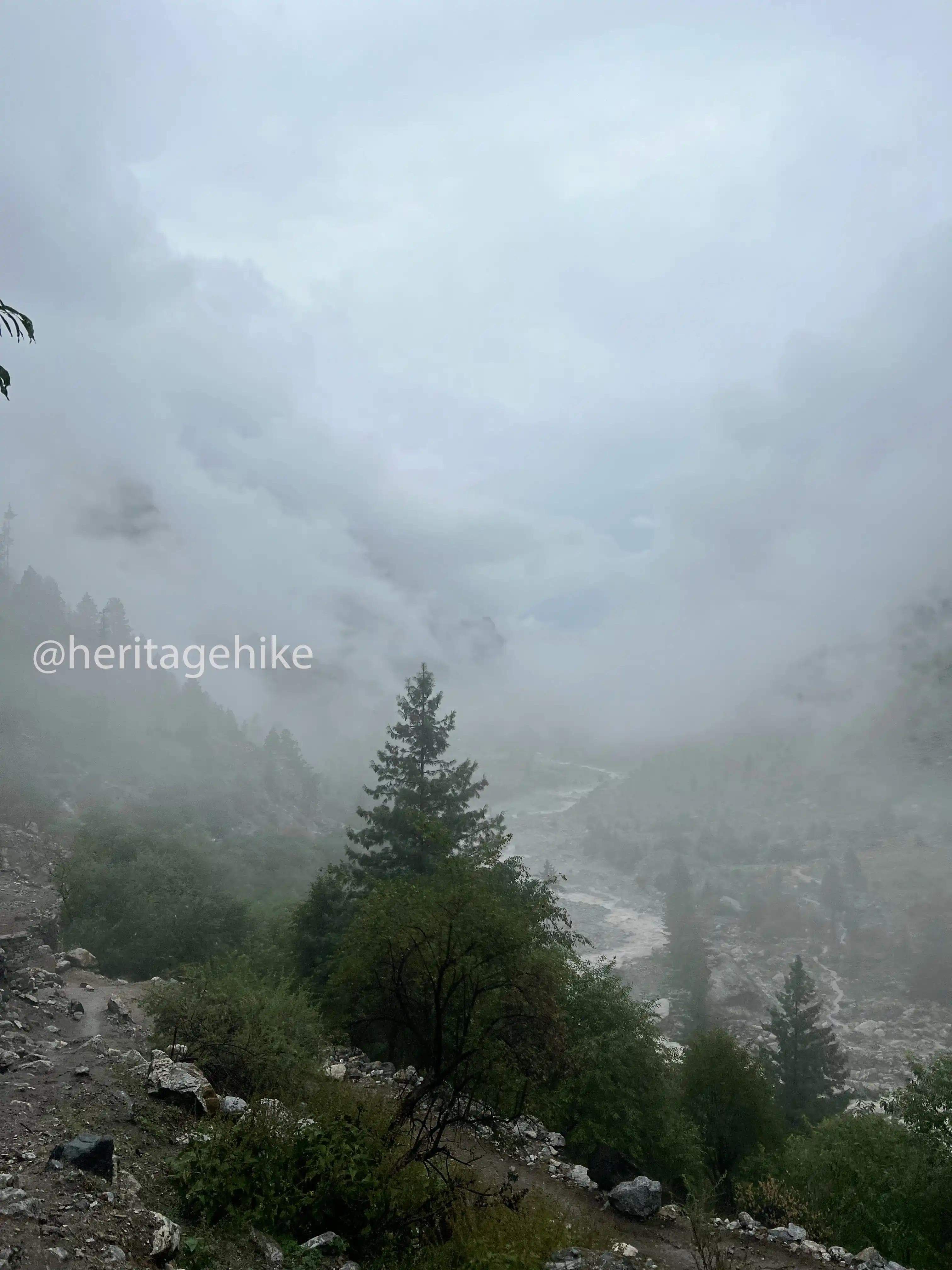
This is the most important thing to understand about flying to Gilgit. The approach to Gilgit Airport threads through high mountain valleys where visual flight rules apply, meaning flights are cancelled frequently — sometimes multiple consecutive days — due to cloud cover, wind, or poor visibility. During peak season, it is not unusual for several days of flights to be cancelled in a row. If you have a fixed onward connection or cannot afford to wait in Islamabad for two or three days, do not rely on the Gilgit flight as your only plan. Always build buffer days around this flight.
Option 2: Drive the Karakoram Highway
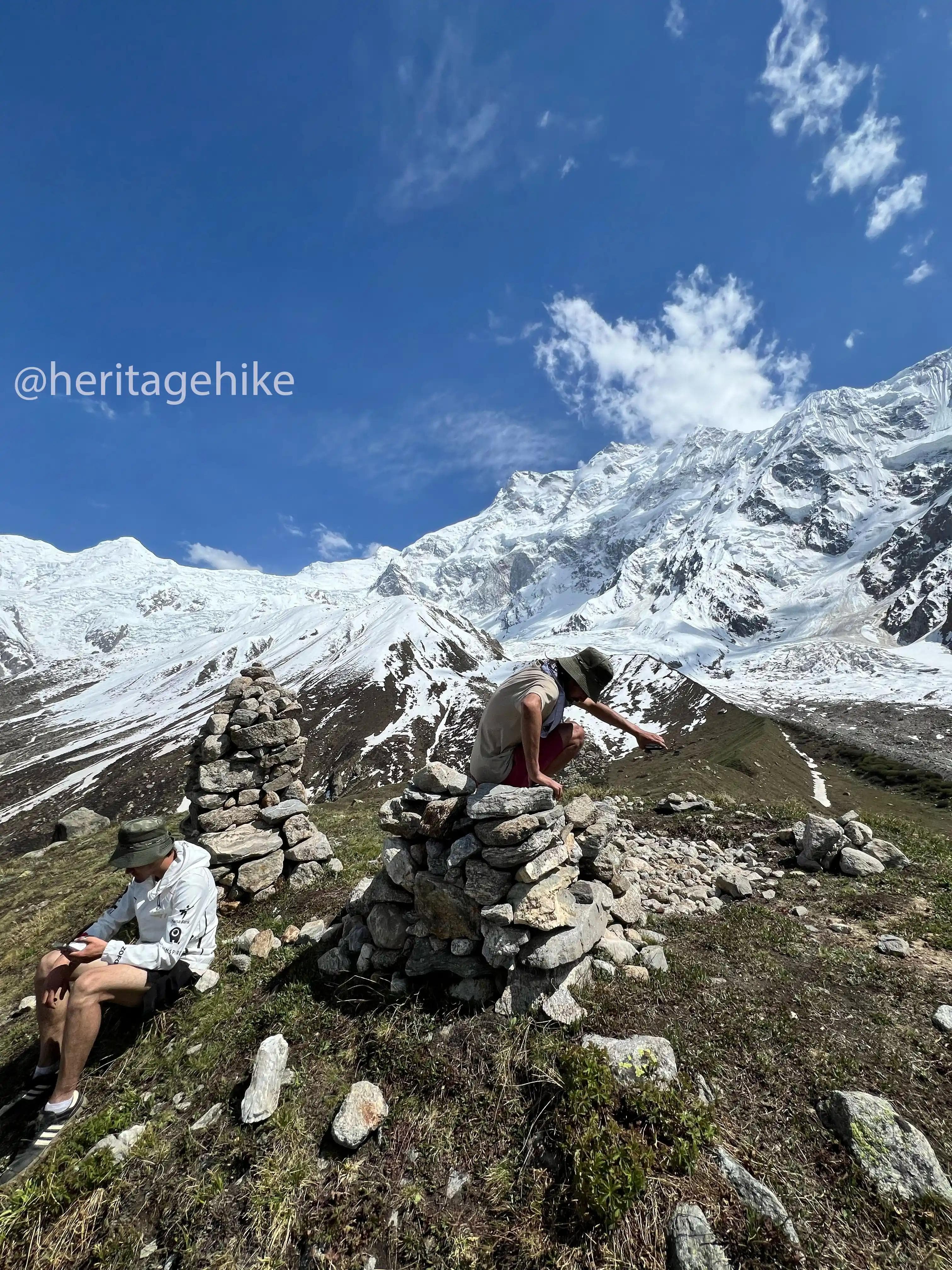
The Karakoram Highway (KKH) is one of the great road journeys of the world, built jointly by Pakistan and China between 1959 and 1979 through some of the most formidable mountain terrain on Earth. The distance from Islamabad to Karimabad is approximately 600km, taking 14 to 18 hours depending on stops and road conditions. The road is paved throughout, though sections are subject to landslide damage particularly during and after monsoon season. The journey is best done over two days with an overnight stop in Besham or Chilas. Key highlights along the route include the Indus River gorges in Kohistan and the view of Nanga Parbat (8,126m) near Chilas on a clear day.
Private Car, NATCO Bus, or Shared Van?
Hiring a private car and driver from Islamabad to Hunza is the most comfortable road option, costing approximately PKR 20,000 to 35,000 one way depending on vehicle type. The NATCO (National Transport Company) operates public buses from Rawalpindi’s Pirwadhai Bus Terminal to Gilgit and Hunza — overnight coaches departing in the evening, arriving the following morning, at approximately PKR 1,500 to 2,500 for a standard seat. Shared Hiace vans run between Rawalpindi and Gilgit or Karimabad and are cheaper than private cars, though more tiring over the full journey.
Option 3: Fly to Skardu Then Drive to Hunza
If your itinerary includes Skardu — and it should — consider flying from Islamabad to Skardu Airport (KDU) and then driving west to Hunza as part of a broader northern Pakistan loop. The Skardu to Gilgit road takes approximately 3 to 4 hours. This option is particularly well suited to tours that combine Skardu, Deosai, and Hunza. Skardu Airport has similar weather cancellation challenges to Gilgit Airport, so build the same buffer into your itinerary.
Practical Recommendations
If time is short, book the Gilgit flight but build in buffer days for potential weather delays. If the journey experience is the priority, drive the KKH over two days and stop overnight in Chilas. If budget is the priority, the NATCO bus from Pirwadhai is significantly cheaper than flying or hiring a private car. If combining Skardu, fly in to one airport and drive or fly between the two regions. All transport options should be booked in advance during April blossom season and July to August when demand peaks.
Heritage Hike Handles All of This
Arranging transport in a new country can feel overwhelming. Heritage Hike manages all transfers, vehicles, drivers, and logistics as part of every tour we operate — from airport pickup in Islamabad to the last drop-off at the end of your journey. Get in touch and we will take care of every detail so you can focus entirely on the experience.