
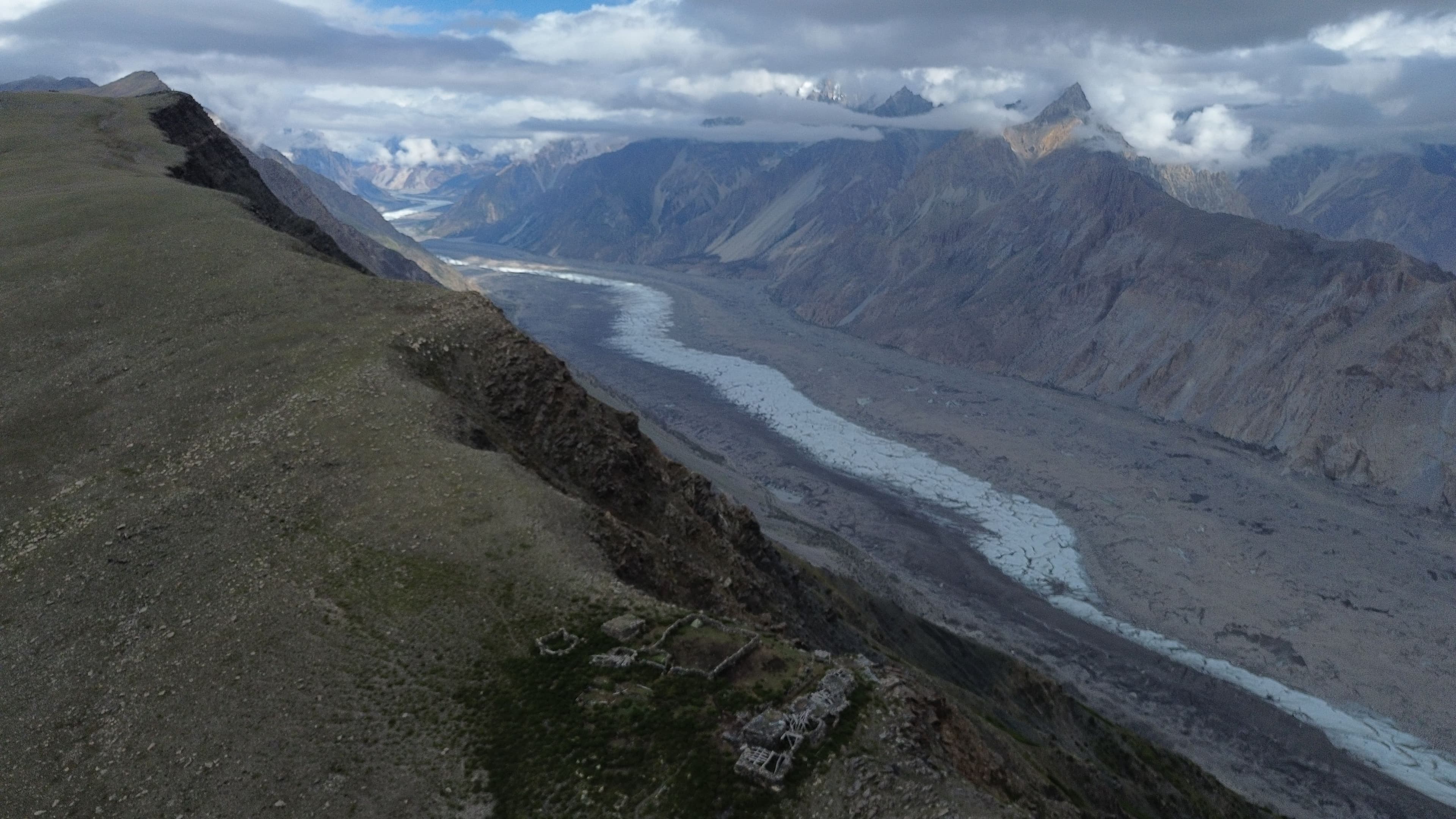
Khunjerab Pass
At 4,693m, Khunjerab is the world's highest paved international border crossing, connecting Pakistan and China through a breathtaking high-altitude plateau on the Karakoram Highway.
Destination Overview
Introduction
Khunjerab Pass, situated at 4,693 metres above sea level on the border between Pakistan and China, holds the distinction of being the highest paved international border crossing in the world. Reached via the Karakoram Highway through the upper reaches of Hunza's Gojal region, the pass sits on a broad, treeless plateau of extraordinary emptiness and beauty, framed by rolling brown hills and distant snowfields under an immense high-altitude sky.
The Karakoram Highway
The road to Khunjerab Pass is itself one of the great reasons to make the journey. The Karakoram Highway, often referred to as the KKH or the Eighth Wonder of the World, was built jointly by Pakistan and China between 1959 and 1979 through some of the most formidable terrain on the planet. The section from Sost to Khunjerab climbs steadily through narrowing gorges and across open high-altitude plateaux, with the landscape becoming increasingly sparse and moon-like as the elevation rises. The engineering achievement represented by this road — blasted and carved through solid rock at the junction of three of the world's greatest mountain ranges — remains staggering.
Khunjerab National Park
The entire upper Gojal region approaching the pass falls within Khunjerab National Park, established in 1975 and covering approximately 2,270 square kilometres. The park was created primarily to protect the snow leopard and the Marco Polo sheep, the latter being the world's largest wild sheep with spectacular curved horns that can reach lengths of over 1.5 metres. Brown bears, wolves, golden eagles, and the Himalayan ibex also inhabit the park. In summer, herds of Marco Polo sheep and even the occasional yak can be spotted from the road, particularly in the broad meadows approaching the pass.
The Pass Itself
The pass area is marked by a simple monument and border post, along with a modest welcome arch. At this altitude, the air is noticeably thin — most visitors feel some degree of breathlessness after even light activity. The plateau landscape is austere and beautiful in equal measure: no trees, no buildings beyond the border infrastructure, and a vast open sky that seems closer here than anywhere else. On a clear day the silence is near-complete, broken only by the wind and the occasional distant call of a bird.
Sost — The Last Pakistani Town
Before reaching the pass, travellers pass through Sost, the last Pakistani town on the KKH and the location of the official dry port and immigration checkpoint for those crossing into China. Sost has basic guesthouses, a small bazaar, and customs and immigration facilities. Cross-border travellers on buses or in private vehicles complete formalities here before proceeding to the pass and onward into Xinjiang, China.
Visiting Without Crossing the Border
Pakistani citizens and tourists visiting on a Pakistan visa (without a Chinese visa) are permitted to drive to the pass and spend time at the border area without crossing into China. This makes the journey to Khunjerab accessible as a scenic day trip or overnight excursion from Passu or Sost, and it is one of the most rewarding drives in the country. The round trip from Passu to the pass and back takes approximately five to six hours by car including stops.
Destination Highlights
World's highest paved international border crossing
Khunjerab National Park — habitat of snow leopard and Marco Polo sheep
Dramatic high-altitude plateau scenery
Pakistan–China friendship monument at the pass
Wildflowers and yak herds in summer meadows
The Karakoram Highway — engineering marvel of the 20th century
Best Time to Visit
The pass is open to tourists from May to November, with June to September being the most comfortable period. The road is closed to regular traffic from December to April due to heavy snowfall. Even in summer, temperatures at the pass can drop quickly and wind chill is significant, so warm layers are essential.
How to Reach
From Sost (the border town), the pass is approximately 86km by road and takes around 2 hours by car. From Passu, add another 30km and 45 minutes. Shared jeeps and private taxis run from Sost to the pass during the open season. From Karimabad, a round trip to Khunjerab is best done as a full day excursion with a hired vehicle.
Nearby Attractions
Khunjerab National Park (Surrounds the pass away)
Protected habitat of snow leopard and Marco Polo sheep along the KKH.
Sost Dry Port (86km south away)
Last Pakistani town with immigration, customs, and border facilities.
Passu Village (~115km south away)
Nearest tourist base with guesthouses and Passu Cones views.
Shimshal Valley (~120km south then east away)
Remote high-altitude valley accessible via Passu.
Essential Information
Weather & Altitude
At 4,693m, altitude sickness is a real risk, particularly for those arriving directly from low elevations. Symptoms include headache, nausea, and breathlessness. Spend at least one to two nights at intermediate altitudes (such as Passu or Karimabad) before visiting the pass. Even in July the temperature at the pass rarely exceeds 10°C and wind chill can make it feel much colder.
Border Rules & Documentation
Foreign tourists can visit the pass without crossing into China if they hold a valid Pakistan visa. Those intending to cross into China must hold a valid Chinese visa and complete immigration formalities at Sost. The border crossing schedule is subject to change; confirm current opening hours with local authorities or your tour operator before planning a crossing.
Supplies & Preparation
There are no shops or food stalls at the pass itself. Carry all food, water, and warm clothing from Sost or Passu. Fuel up at Sost as it is the last reliable fuel point before the pass. A full tank is essential for the return journey.
Travel Tips
Acclimatize at lower altitude for 1–2 days before driving to the pass
Bring warm, windproof layers even in summer — conditions at 4,693m are unpredictable
Carry snacks and water from Sost — nothing is available at the pass
Look for Marco Polo sheep in the broad meadows between Sost and the pass, especially in early morning
Photography at the border monument is generally permitted but always ask the border guards first
Related Destinations
Rakaposhi Base Camp
Hunza Valley
Attabad Lake
Baltit Fort
Borith Lake and Ghulkin Glacier
Gulmit
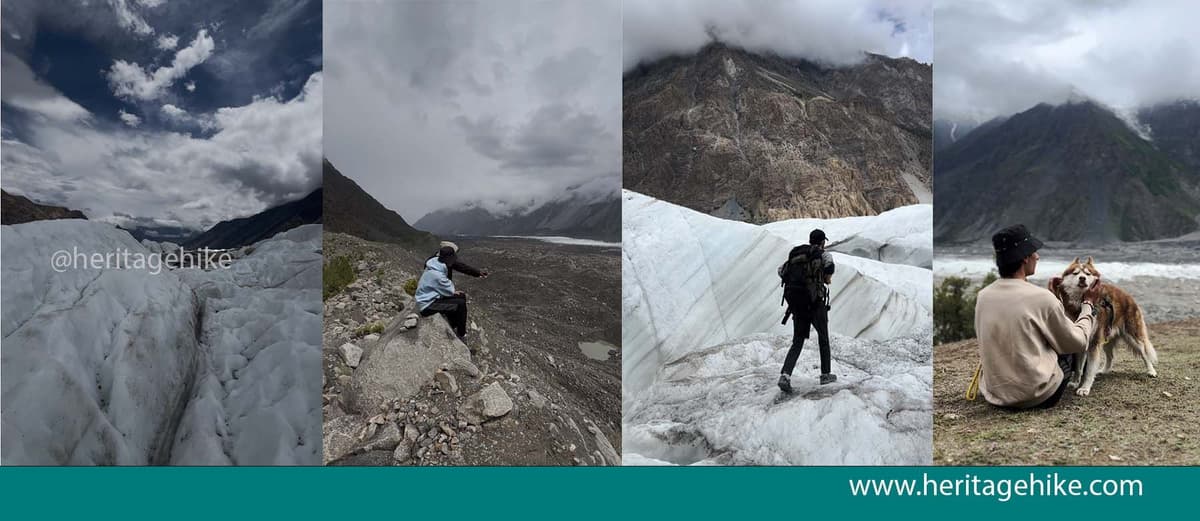
Passu
Karimabad
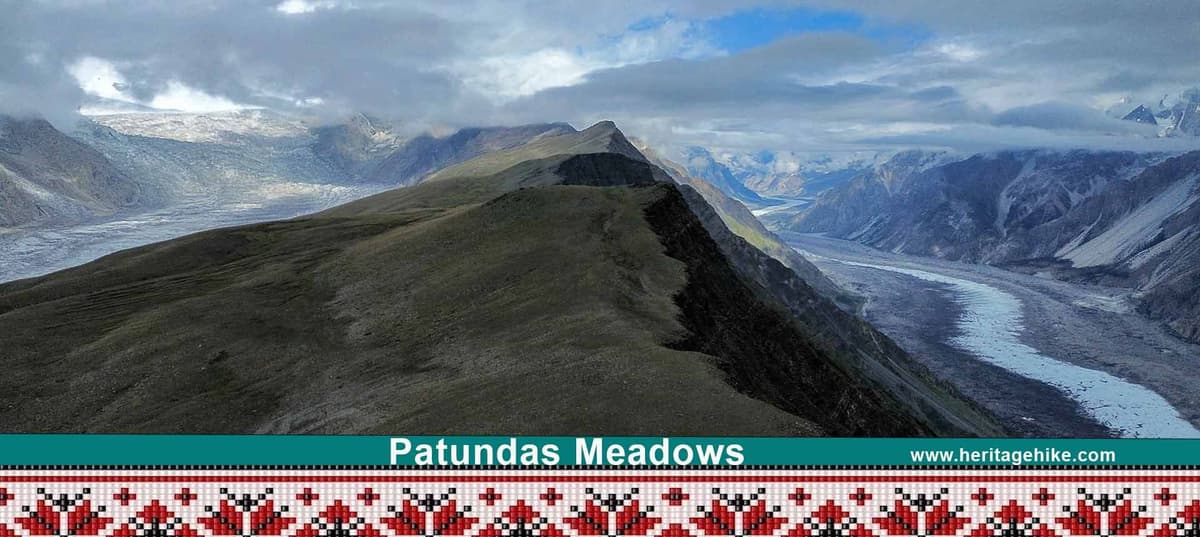
Shimshal Valley
Altit Fort
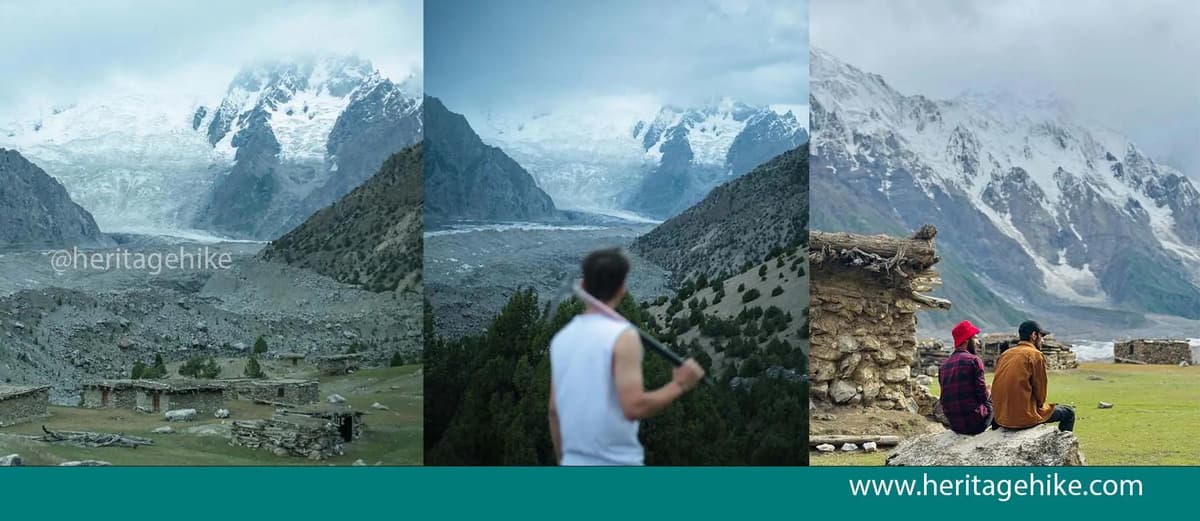
Batura Glacier and Meadows Gojal Hunza
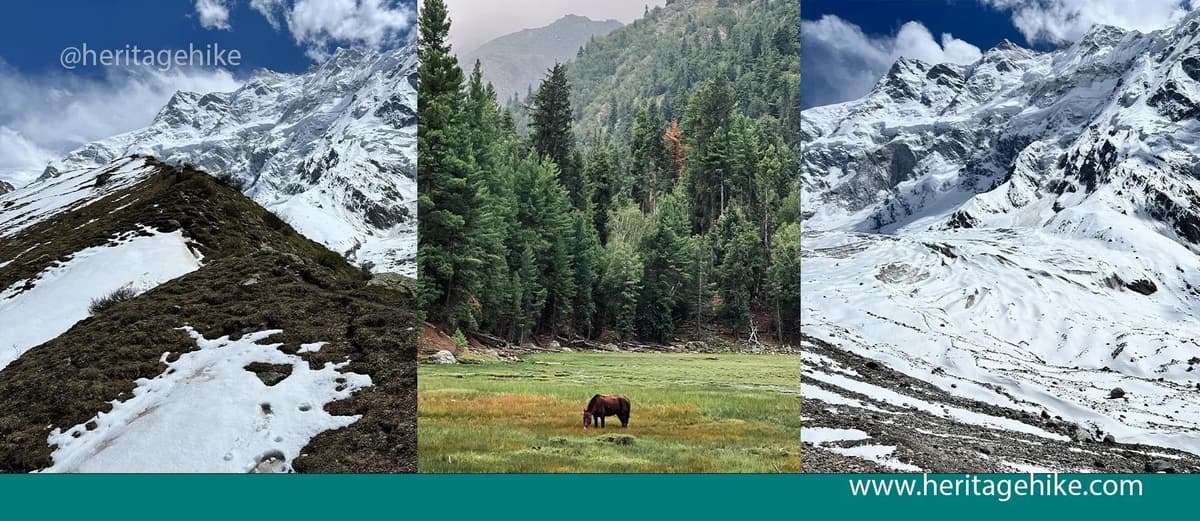
Fairy Meadows
Deosai National Park
K2 Base Camp
Nanga Parbat Base Camp
Satpara Lake
Roundu Valley
Kharmang Valley
Hushe Valley
Hopper Glacier
Shigar Valley
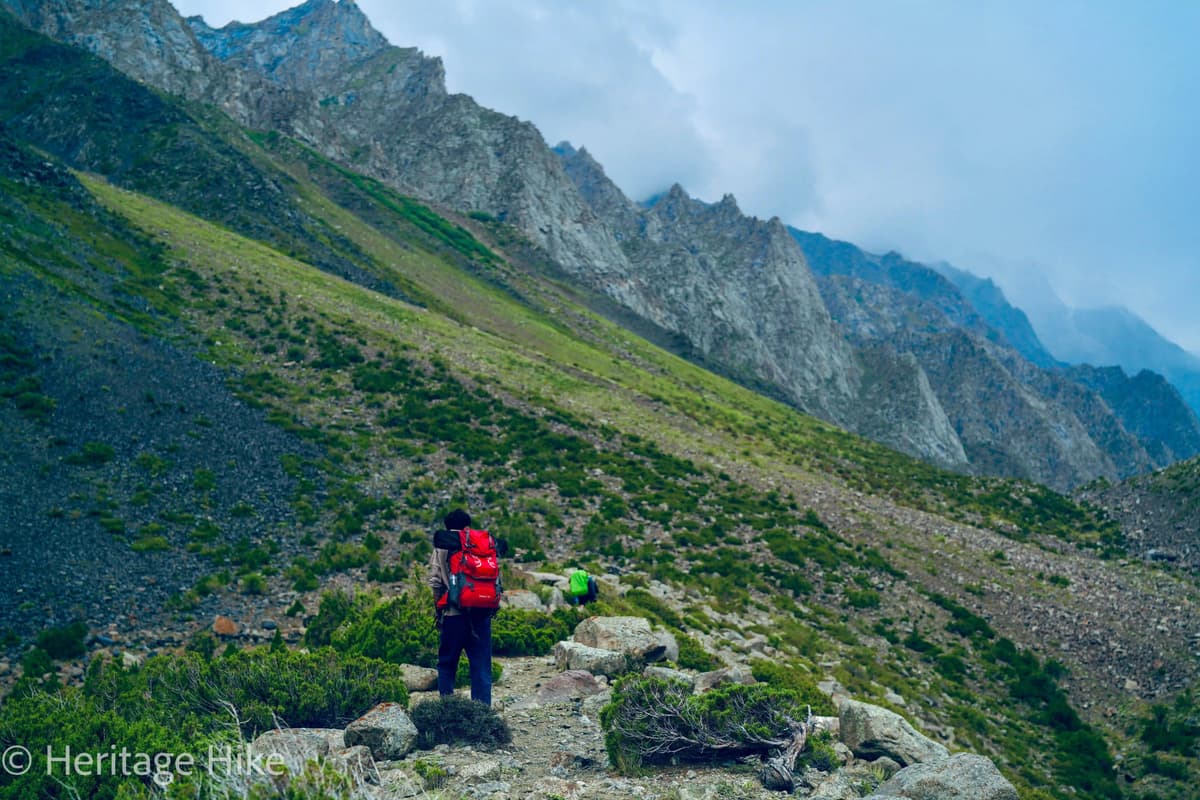
Haramosh Valley
Naltar Valley
Gilgit City
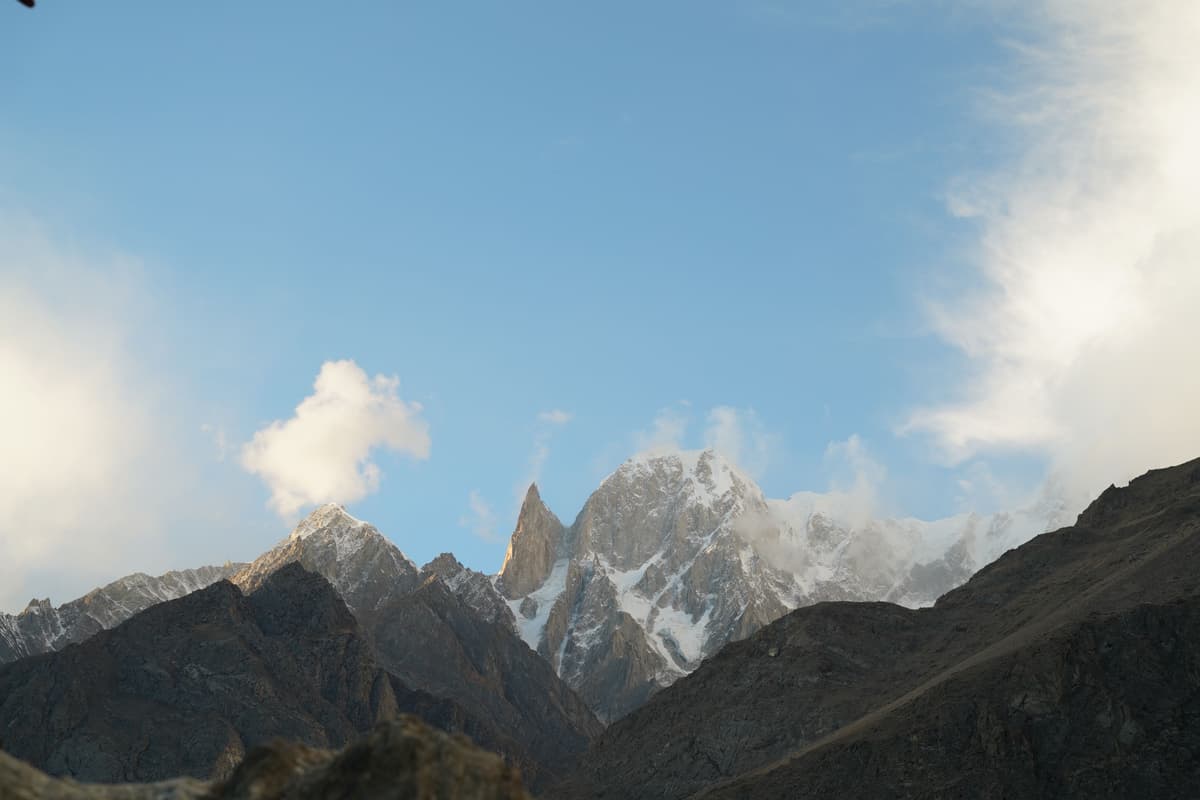
Khaplu
Shigar Fort
Skardu
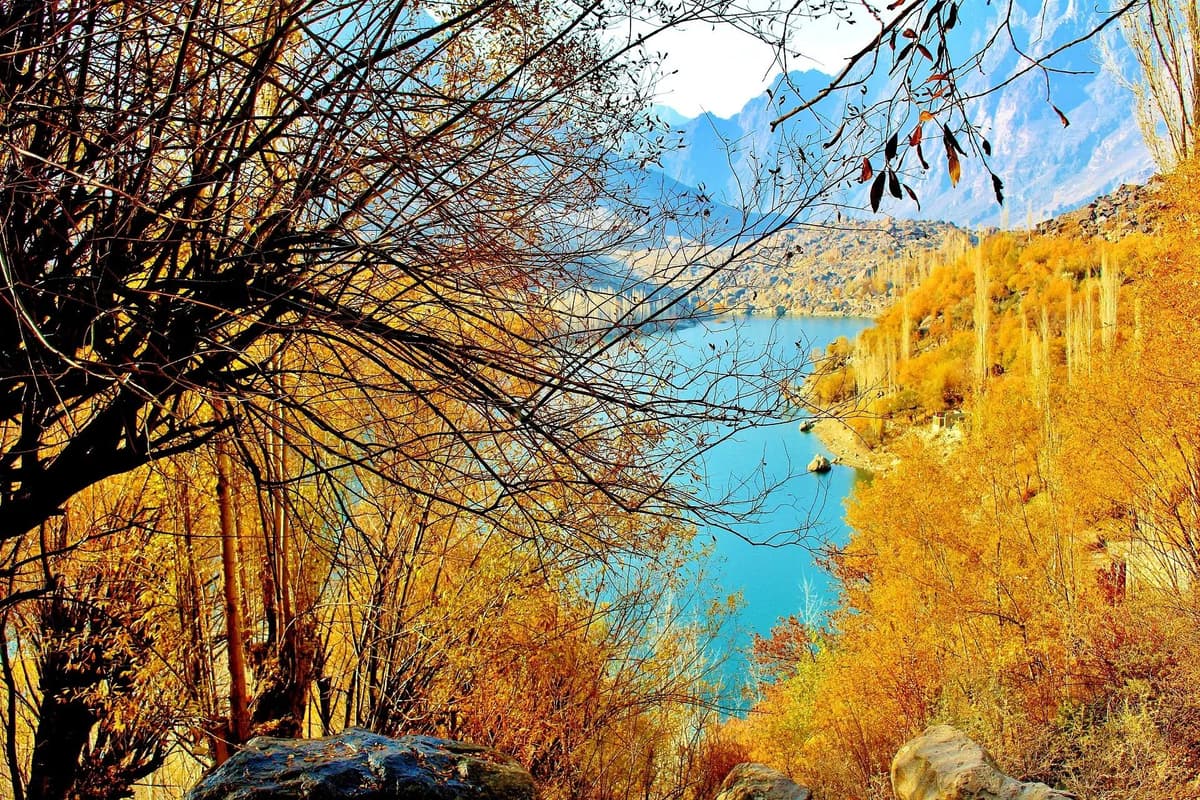
Upper Kachura Lake
Quick Facts
Region
gilgit-baltistan
Elevation
4,693m
Best Season
May to October
Time Zone
PKT (UTC+5)
Tours to Khunjerab Pass
No tours available for this destination yet.
View All ToursNeed Help Planning?
Our travel experts can help you customize the perfect trip to Khunjerab Pass.
Contact Our Team

